HOFFMAN PLANETARIUM
  • HOME
    • Space...the Final Frontier
    • Extreme Weather
    • STEPpin' Up
    • Zoo Time
  • Lesson Resources
    • K - 5 Physical Science (Unit 1) >
      • Kindergarten - Unit 1
      • 1st Grade - Unit 1
      • 2nd Grade - Unit 1
      • 3rd Grade - Unit 1
      • 4th Grade - Unit 1
      • 5th Grade - Unit 1
    • K - 5 Earth Science (Unit 2) >
      • Kindergarten - Unit 2
      • 1st Grade - Unit 2
      • 2nd Grade - Unit 2
      • 3rd Grade - Unit 2
      • 4th Grade - Unit 2
      • 5th Grade - Unit 2
    • K - 5 Life Science (Unit 3) >
      • 3rd Grade - Unit 3
      • 4th Grade - Unit 3
      • 5th Grade - Unit 3
    • Middle School Science Lessons >
      • Middle School Resources
    • High School Lessons >
      • Physics and Space Science
      • Earth Science
      • Ecology and Biology
  • Shows/Tickets
    • Girl Scout and Boy Scout Programs

Space...the Final Frontier

Picture
Perseids Meteor Shower
Peak Viewing: August 12-13
Picture
What are the Perseids?
The Perseids are one of the most popular annual meteor showers. These shooting stars are the ancient trail of Comet Swift-Tuttle. It loops around the Sun once every 133 years.

Every August, Earth passes through the material left behind by this comet. The tiny particles crash into our atmosphere and the immense friction superheats the air. This creates the brilliant streaks of light we see. Chinese sky watchers first recorded this exact display  almost 2,000 years ago.
Chinese records from 37 AD
Picture
Looking for the Perseids
Picture
A meteor shower is a celestial event in which a number of meteors are observed to radiate (originate) from one point in the night sky call Radiant.
Quick Backyard Viewing Tips
Forget the telescopes and binoculars-The naked eye is your best tool. You want to be able to see the largest patch of sky possible.
  1. Find dark skies-get away from as much light as possible.
  2. Adjust to night vision-Your eyes need about 20 minutes to completely adapt to the dark, so be patient.
  3. Get comfortable-Use a reclining lawn chair to avoid neck strain.
  4. Where to look-Meteors will appear in the northeast sky near the constellation Perseus.
Picture
Gateway - The Artemis Project
The Gateway will be an outpost orbiting the Moon that provides vital support for a long-term human return to the lunar surface, as well as a staging point for deep space exploration.
Picture
Mission to Mars
​
Research Expedition on Mars
Picture
Picture
Mission to Mars Worksheet
Picture
Site Map (Picture)

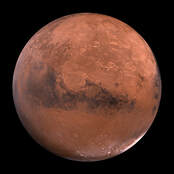
Far From Home...A Journey to Mars
Picture
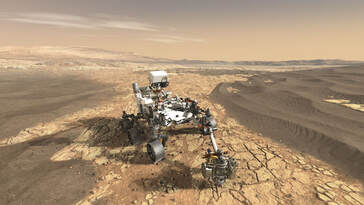
Curiosity

Become a space explorer from the comfort of your own home! Join  the Curiosity Rover on an incredible adventure as you traverse the barren surface of the red planet.

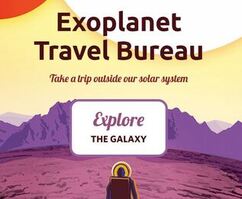
Exoplanet Travel Bureau
Eyes on Exoplanets
Picture
Explore the Universe and view exotic and newly discovered exoplanets.
Picture
Journey to planets far beyond our solar system to explore planets discovered by NASA's Kepler spacecraft.
Gravity Exploration

How do celestial bodies warp the fabric of space-time and interact with each other?

Use the virtual lab to create objects in space and begin observing how this laws of physics works. Be careful, gravity is everywhere!
Picture
Creator of Worlds Activity

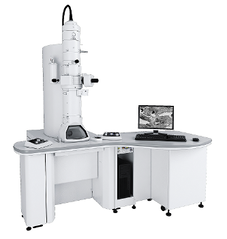
PictureElectron Microscope
​Virtual Electron Microscope
​
Use this virtual electron microscope to observe samples of all the world has to offer!


Scale of the Universe
Picture
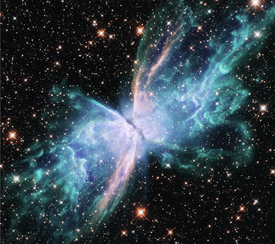
If you have ever wondered where we fit in the universe, then this interactive is for you. The Scale of the Universe takes you on a ride down to the smallest thing theorized by scientists and then out to the vastness of the universe.

Window Into The
​Solar System
Picture
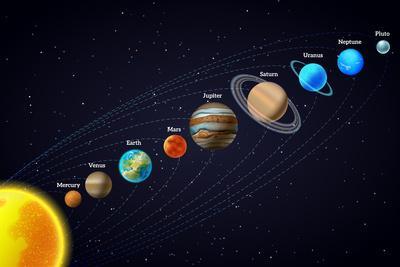
View the motion of the planets in this activity. Solar System Scope is a model of Solar System, Night sky and Outer Space in real time, with accurate positions of objects and lots of interesting facts.

Planet Facts
Picture
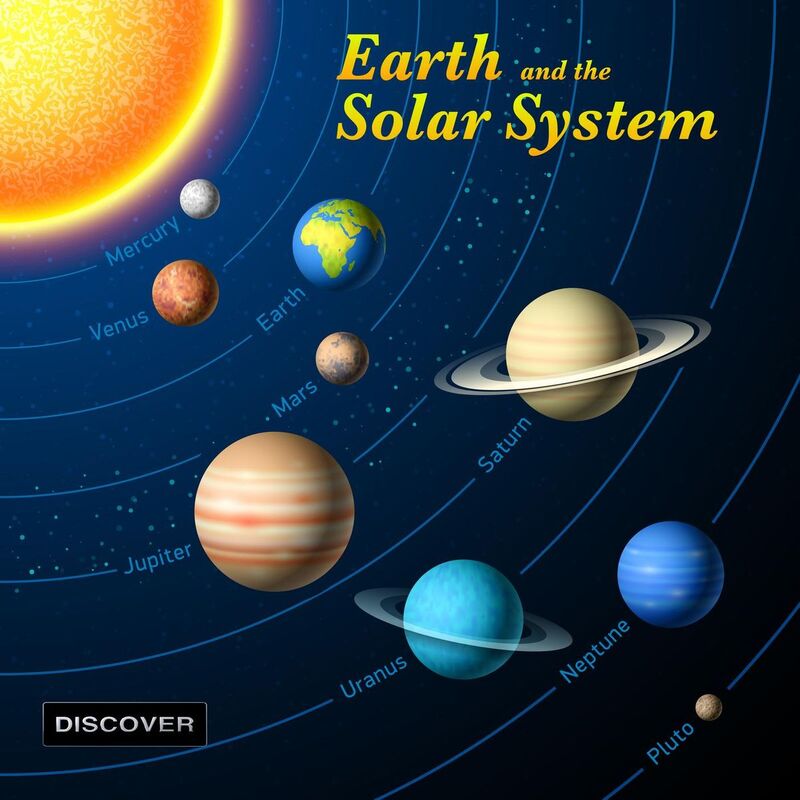
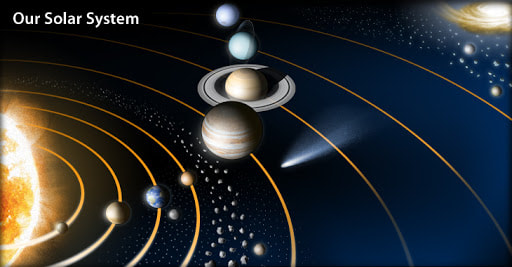
Learn about our solar system and all the things that make it up. Use the reading to complete the worksheet below.  
Picture
Worksheet

Test Your Knowledge
Picture
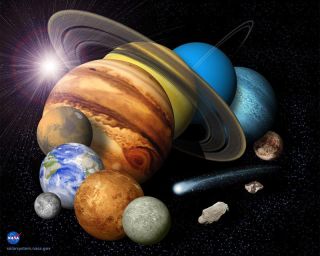
The solar system is the Earth's little neighborhood. So it makes sense that scientists know more about the solar system. Complete the Quiz after learning about each planet.

Regarding the content featured on this page, I do not own the rights to the images or content featured within.

Powered by Create your own unique website with customizable templates.
  • HOME
    • Space...the Final Frontier
    • Extreme Weather
    • STEPpin' Up
    • Zoo Time
  • Lesson Resources
    • K - 5 Physical Science (Unit 1) >
      • Kindergarten - Unit 1
      • 1st Grade - Unit 1
      • 2nd Grade - Unit 1
      • 3rd Grade - Unit 1
      • 4th Grade - Unit 1
      • 5th Grade - Unit 1
    • K - 5 Earth Science (Unit 2) >
      • Kindergarten - Unit 2
      • 1st Grade - Unit 2
      • 2nd Grade - Unit 2
      • 3rd Grade - Unit 2
      • 4th Grade - Unit 2
      • 5th Grade - Unit 2
    • K - 5 Life Science (Unit 3) >
      • 3rd Grade - Unit 3
      • 4th Grade - Unit 3
      • 5th Grade - Unit 3
    • Middle School Science Lessons >
      • Middle School Resources
    • High School Lessons >
      • Physics and Space Science
      • Earth Science
      • Ecology and Biology
  • Shows/Tickets
    • Girl Scout and Boy Scout Programs